
Politicians preparing for the 2027 general elections have been advised to start building their public image early and make greater use of digital marketing and data to connect with voters.
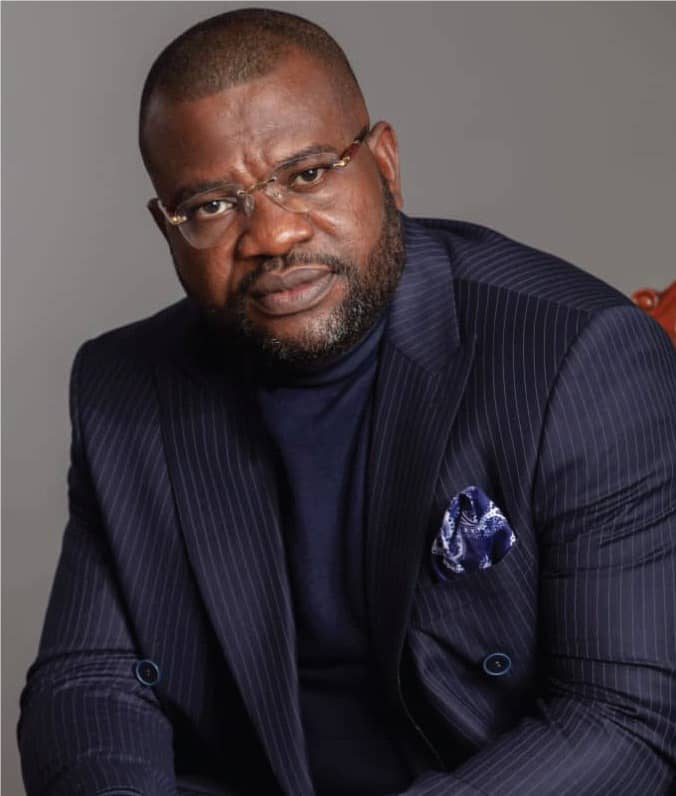
The advice was given by Mike Dada, Managing Director of PRM Africa Marketing and Communications Limited and founder and Executive Producer of the All Africa Music Awards (AFRIMA).
Dada, a marketing and public relations expert, said political communication was changing as technology, artificial intelligence and data analytics increasingly shaped how candidates engage with the electorate.
He said politicians could no longer rely solely on rallies, posters, traditional media and established political structures to reach voters, noting that digital platforms now allow campaigns to target specific groups and measure how audiences respond to their messages.
“Digital marketing is no longer an ‘alternative’ channel; it is the primary battlefield,” Dada said, adding that campaigns could use data to tailor messages to different audiences while maintaining a consistent political identity.
According to him, effective political campaigns should begin with a proper understanding of the electorate, including demographic and psychographic analysis, voter segmentation and targeted communication.
Dada also urged politicians to pay attention to their personal brands, records, values and public communication long before an election year, rather than attempting to reshape their image only a few months before voting.
“Branding is not a coat of paint you slap on two months before an election. It is a reputation built over time,” he said.
He added that candidates should define what they represent early, warning that delaying the process could allow opponents and other voices to shape public perception of them.
Dada, whose company he said has managed 16 elections end-to-end, also stressed the importance of data in modern political campaigns.
He said tools such as sentiment analysis, digital footprint tracking and periodic polling could help campaign teams understand how their messages are being received and make adjustments where necessary.
“We no longer guess. We need to count the numbers for it to count,” he said, noting that campaign teams could use data to assess the response of different demographic groups and regions to specific messages.
Despite the growing importance of digital platforms, Dada said online campaigns should not replace grassroots engagement.
He stressed the need for political marketing to be combined with “on-the-ground” activities, saying both approaches were necessary for campaigns to achieve their objectives.
Dada also called on governments at all levels to engage communications professionals in explaining their policies and programmes to citizens.
He argued that effective implementation could still leave citizens disconnected if governments fail to communicate clearly, urging public institutions to treat communication as an important part of governance rather than merely as publicity.
According to him, governments need to invest in reputation, public perception, mutual understanding and trust alongside the implementation of policies.
What do you feel about this post?

Like

Love

Happy

Haha

Sad