
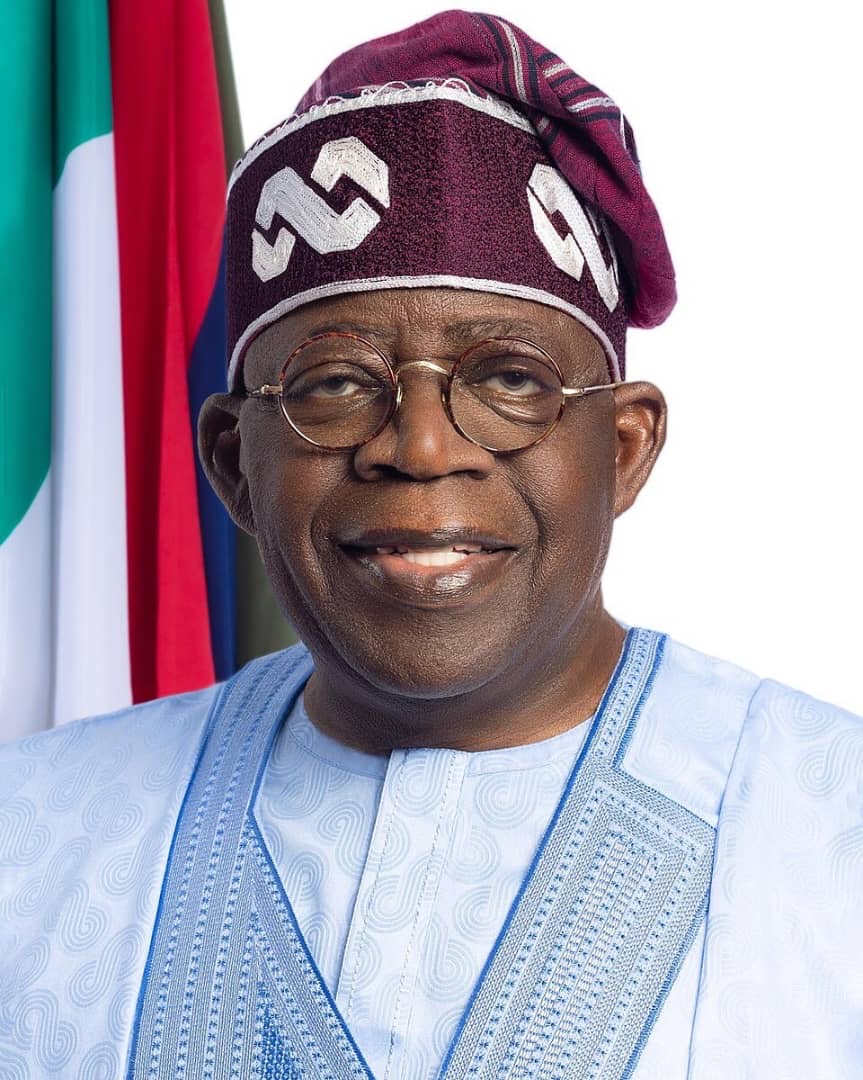
Olabode Opeseitan has criticised The Economist over its recent assessment of Nigerians’ attitude towards President Bola Ahmed Tinubu, arguing that the publication went too far in suggesting that Nigerians generally dislike the President. The Economist, in its October 1 article titled “Nigerians dislike their president, but may re-elect him anyway,” examined the economic difficulties facing Nigerians, insecurity and the state of the opposition ahead of the 2027 general election.
However, in a response to the article, Opeseitan said while some of the issues raised were valid, the headline appeared to draw a much broader conclusion than the evidence presented could support.
He said the report placed considerable focus on the situation in Borno State, where years of Boko Haram and ISWAP insurgency have displaced communities, disrupted livelihoods and left many residents struggling with insecurity and economic hardship.
“Borno’s distress is real. But Borno is not Nigeria in miniature,” Opeseitan said.
According to him, the experience of people in one state, particularly one dealing with an exceptional security crisis, cannot by itself be used to determine how Nigerians across the country feel about the President.
He also questioned whether the publication had relied on a nationwide representative poll to reach its conclusion, asking how factors such as regional differences, income levels, demographics and political preferences were taken into account.
Opeseitan said Nigerians can be unhappy about the rising cost of living and still have different views about the performance of the Tinubu administration.
He also argued that the situation in Borno should not be viewed only through the lens of insecurity, pointing to ongoing efforts to rebuild communities and restore economic activity.
Among the examples he cited was Governor Babagana Umara Zulum’s 2026 agricultural intervention, which provided subsidised fertiliser and other farm inputs to 120,000 smallholder farmers.
He also referenced Borno’s 2026 budget of about N890.33 billion, with more than 61 per cent allocated to capital expenditure, as well as federal road rehabilitation projects along the Bama-Banki and Dikwa-Gamboru-Ngala corridors.
For Opeseitan, these developments do not mean that Borno’s problems have been solved. Rather, he said they show why the state’s story cannot be reduced entirely to hardship and insecurity.
He extended the argument to the wider national picture, saying Nigerians are dealing with serious economic pressures but are also seeing government interventions in areas such as infrastructure, agriculture, education, healthcare and digital skills.
He cited reported growth in real GDP and increased foreign exchange reserves as examples of economic developments that, while not immediately easing the pressure on households, could indicate movement in the wider economy.
Opeseitan stressed that acknowledging such developments does not mean Nigerians are satisfied with the government.
He said public opinion is more complicated, with some citizens supporting certain policies, others strongly opposed to them, and many simply demanding that the government deliver better and faster results.
He also pointed to the 2027 election as a contest that would be influenced by more than the President’s approval rating, citing the cost of living, insecurity, opposition strength, candidate credibility, electoral administration and voter turnout among the factors likely to shape the outcome.
Opeseitan concluded that The Economist was right to scrutinise the Tinubu administration and draw attention to public frustration, but argued that describing Nigerians collectively as disliking the President was too broad a conclusion.
“The Economist is entitled to its editorial judgement. Nigeria is entitled to a fuller narrative,” he said.
What do you feel about this post?

Like

Love

Happy

Haha

Sad