

Pan-Atlantic University has called for a more balanced approach to the global energy transition, with Professor Ekundayo Peter Mesagan arguing that developing countries must pursue environmental sustainability without compromising energy access and economic growth.
Mesagan, a Professor of Energy and Environmental Economics in the university’s School of Management and Social Sciences, made the case while delivering the institution’s 26th Inaugural Lecture at the Honeywell Group Auditorium, Lagos Business School.
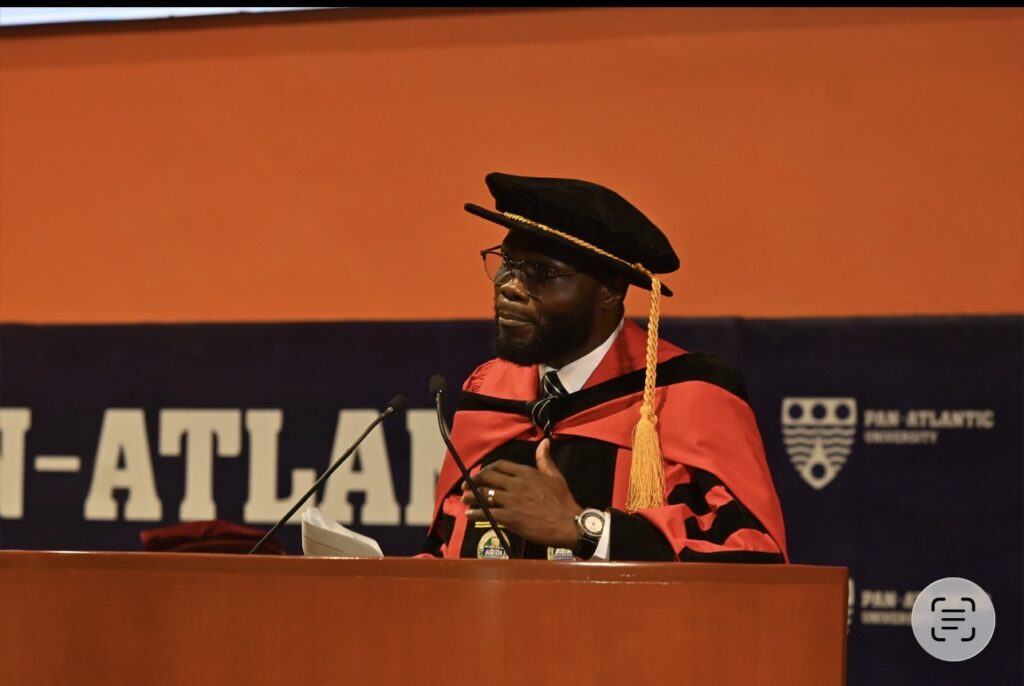
Titled “Making Lemonade from Lemons: The Fossil Energy & Sustainability Puzzle,” the lecture examined the challenges facing oil-rich and energy-deficient countries as the world moves towards cleaner sources of energy.
Mesagan questioned whether reducing dependence on fossil fuels could be pursued in the same way across all countries, particularly those still struggling to meet their energy needs and finance development projects.
He argued that the transition to renewable energy is more complicated than simply replacing fossil fuels, noting that technological and cost limitations mean oil and gas will remain part of the global energy mix for the foreseeable future.
According to him, Africa’s approach must reflect its own economic and developmental realities rather than follow the same path as Europe. He stressed that expanding access to reliable energy and supporting economic growth must remain priorities alongside efforts to reduce environmental damage.
The professor also maintained that a country’s natural resources do not automatically determine its economic future. He said governance, policy decisions, innovation and investment play important roles in determining whether resource wealth translates into development.
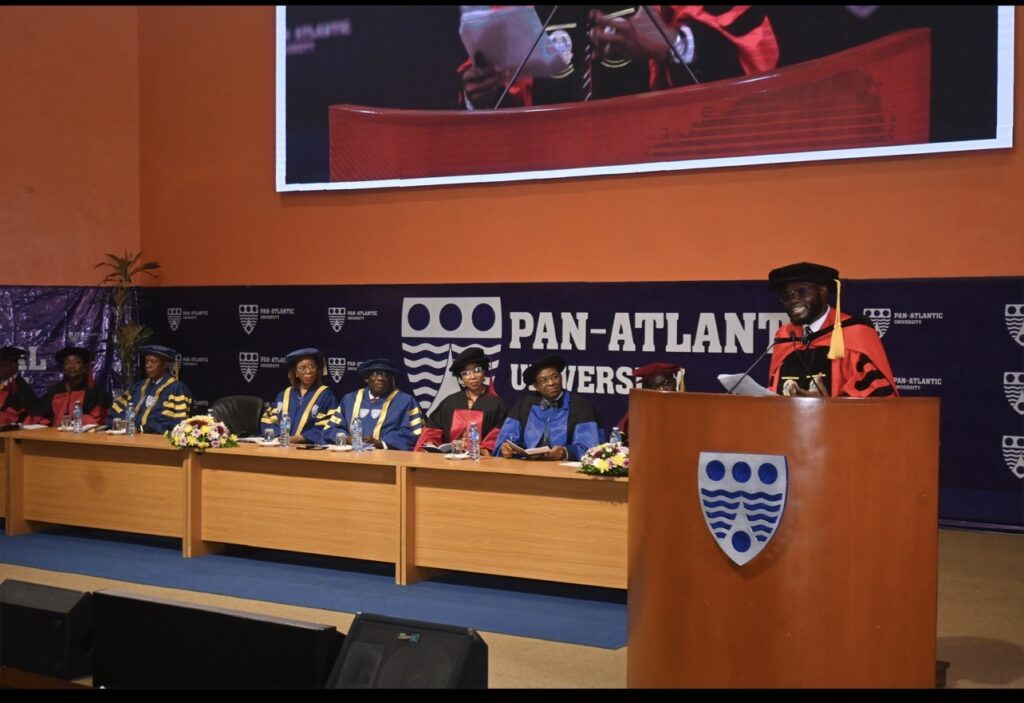
“The future belongs to countries that can transform challenges into opportunities,” Mesagan said.
He further highlighted the importance of technology, including cleaner industrial processes and carbon capture and storage, as well as financial systems that support sustainability goals.
Mesagan added that the energy transition must be linked to poverty reduction and improved access to energy. He called for greater collaboration among economists, engineers, policymakers, environmental scientists and other experts to develop solutions that address both environmental concerns and development needs.
Introducing the lecturer, the Vice-Chancellor of Pan-Atlantic University, Professor Enase Okonedo, described Mesagan as an economist, researcher and policy adviser whose work covers energy and environmental economics, industrial policy, natural resources and sustainable economic development.
She also highlighted his involvement in the drafting committee for Nigeria’s Agenda 2050 under the Federal Ministry of Budget and Economic Planning, as well as his engagement with the Nigerian Economic Summit Group and the Nigerian Institute of Social and Economic Research.
Okonedo said his research, teaching and engagement with policymakers and industry had contributed to discussions on economic and environmental issues affecting Nigeria and the wider African continent.
The lecture attracted university principal officers, members of Senate, faculty, students, alumni, industry leaders, policymakers and members of the public.
What do you feel about this post?

Like

Love

Happy

Haha

Sad